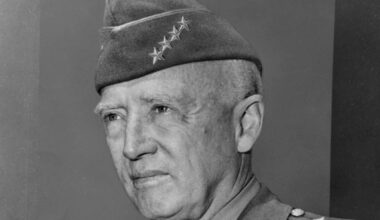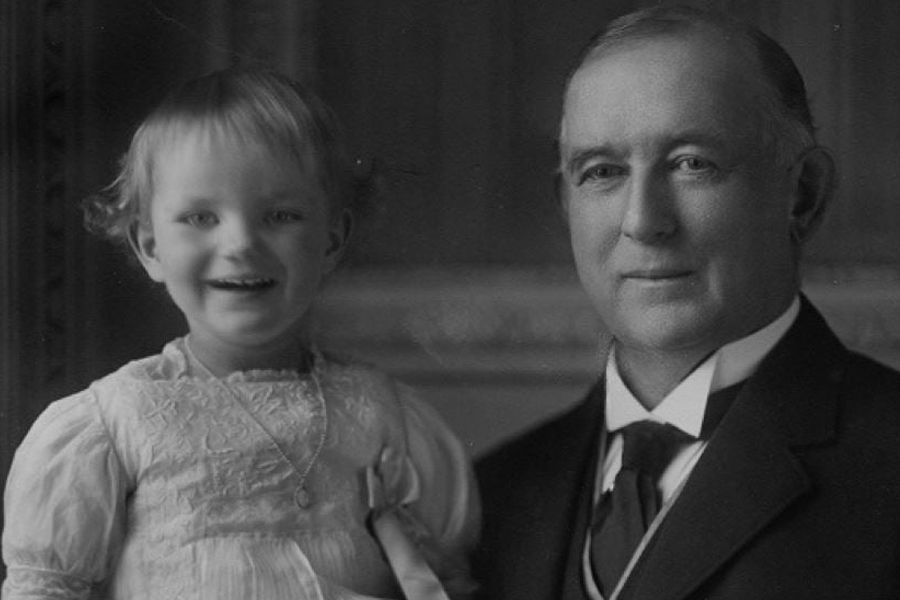
I think of Buck Duke as a man who stood at the center of a family story that began in rural North Carolina and spread outward like a root system beneath a growing city. His life was not just about tobacco, money, or power. It was about speed, discipline, invention, and family ambition. Born in 1856, James Buchanan Duke, known as Buck Duke, rose from a regional tobacco business into an industrial empire that reshaped the American South. His name still echoes through Duke University, Duke Energy, and the Duke Endowment, but the family behind him is just as important as the man himself.
Basic Information
| Item | Details |
|---|---|
| Full name | James Buchanan Duke |
| Nickname | Buck Duke |
| Born | December 23, 1856 |
| Died | October 10, 1925 |
| Birthplace | Near Durham, North Carolina |
| Parents | Washington Duke, Artelia Roney Duke |
| Siblings | Benjamin Newton Duke, Mary Elizabeth Duke Lyon, Sidney Taylor Duke, Brodie Leonidas Duke |
| Spouses | Lillian Fletcher McCredy, Nanaline Holt Inman Duke |
| Child | Doris Duke |
| Known for | Tobacco empire, hydroelectric development, philanthropy |
| Major legacy | Duke University, Duke Energy, Duke Endowment |
The Early Life That Shaped Buck Duke
I read Buck Duke’s life as early loss and rigorous training. Family pressure and grief plagued his youth as Washington Duke and Artelia Roney Duke’s youngest child. His mother died young, leaving a silent emptiness in the house like a missing beam in a frame. Washington, his father, was a farmer and entrepreneur who helped the family succeed in tobacco.
Buck emerged from no modern privilege. He returned from work. His business education came from doing it, not inheriting it. That mattered. He gained realistic scale, timing, and control. Before taking over the family firm, he understood production, distribution, and the value of growing a local enterprise.
Buck Duke’s Career and Business Power
I see Buck Duke as one of the key builders of modern American tobacco. He helped transform W. Duke, Sons and Company into a dominant force and then played a leading role in creating the American Tobacco Company in 1890. That move was enormous. It changed the business from a family enterprise into a national machine. He did not simply sell cigarettes. He helped reorganize an entire industry.
His career was marked by speed and strategy. He understood that manufacturing, branding, and distribution had to work together. He was not just selling a product. He was building a system. That system made him wealthy and influential, but it also tied his name to a controversial industry whose profits came with heavy social cost.
Later, Buck expanded into hydroelectric power. This part of his legacy matters because it shows that he was not trapped inside one business model. He looked ahead. Through power development in the Carolinas, he helped fuel industrial growth that reached beyond his own fortune. The family’s influence was no longer confined to tobacco leaves and cigarette labels. It now reached into electricity, manufacturing, and regional modernization.
The Family Tree Around Buck Duke
I think the Duke family becomes much more interesting when you look at each member as a person, not just a name in a genealogy line. Their story is layered, and each member shaped the family in a different way.
Washington Duke
Washington Duke was Buck’s father and the family patriarch. He was the kind of man who starts with land, labor, and grit, then builds upward. He married twice. His first wife, Mary Caroline Clinton, bore him Sidney Taylor Duke and Brodie Leonidas Duke. After her death, he married Artelia Roney, and with her he had Mary Elizabeth, Benjamin Newton, and James Buchanan, Buck Duke. Washington represents the deep root of the family tree. Without him, there is no Duke dynasty.
Artelia Roney Duke
Artelia Roney Duke was Buck’s mother and Washington’s second wife. Her role is easy to understate, but I do not think it should be. She was the mother of Buck Duke, Benjamin Newton Duke, and Mary Elizabeth Duke Lyon. She died young, and her death left a mark on the family story. In families like this, the loss of a mother changes the emotional architecture of the household. Her presence is quiet in the public record, but essential in the private one.
Benjamin Newton Duke
Benjamin Newton Duke was Buck’s brother and one of the family’s major figures. He was not simply a supporting character. He was a businessman and philanthropist with his own strong legacy. He helped shape the family business and later became a major benefactor of Trinity College, which would become Duke University. In many ways, I see Benjamin as Buck’s closest counterpart, another strong pole holding up the same tent. Their work together extended the family’s reach into power and education.
Mary Elizabeth Duke Lyon
Mary Elizabeth Duke Lyon was Buck’s sister and the only daughter of Washington and Artelia. She is often overlooked in public summaries, which is a mistake. She had business sense and played a role in the family enterprise. She also contributed to the family’s support of Trinity College. Her life shows that the Duke family story was not only a story of men in boardrooms. It also included a woman who moved with intelligence inside a world that did not always give women full credit.
Sidney Taylor Duke
Sidney Taylor Duke was Buck’s half-brother and Washington’s son from his first marriage. He died young, and that early death shaped the family’s emotional history. He stands at the edge of the Duke story like a name half-lit in an old photograph. Even though his life was short, he is part of the family foundation.
Brodie Leonidas Duke
Brodie Leonidas Duke was another half-brother, older than Buck and active in early Durham business life. He had a more complicated reputation, but he matters because he was one of the family’s first steps into the town that would later become so closely associated with Duke power and Duke philanthropy. He helped open the door that Buck and Benjamin later widened.
Lillian Fletcher McCredy
Lillian Fletcher McCredy was Buck Duke’s first wife. Their marriage in 1904 was brief and ended in divorce in 1906. There were no children from that marriage. In the family story, she marks one of Buck’s personal turning points. His life was often defined by business momentum, but here I see a private chapter that did not last.
Nanaline Holt Inman Duke
Nanaline Holt Inman Duke was Buck’s second wife and the mother of his only child. She brought another social world into his life, one shaped by southern refinement and widowhood before their marriage in 1907. She gave Buck the domestic stability and social presence that his first marriage did not. Their relationship produced Doris Duke, who would become one of the most famous heirs in American history.
Doris Duke
Doris Duke was Buck and Nanaline’s only child. She inherited a great fortune and became known as one of the richest women in the world. But she was more than an heir. She built her own public identity through philanthropy, art, and an unusually colorful life. If Buck was the engine and Nanaline was part of the frame, Doris became the bright, complicated light that followed.
Wealth, Legacy, and the Shape of Power
I can’t write about Buck Duke without mentioning his fortune. Death in 1925, his riches was enough to establish The Duke Endowment with a $40 million initial grant and a large estate contribution. That goes beyond money. Infrastructure. A donation like this changes a region’s institutions for generations.
In the Carolinas, his money shaped higher education, health care, churches, and children’s services. His industrial power also boosted contemporary utilities. He built and benefited from a changing South. He was like a dam, unleashing and keeping back force.
Buck Duke in Family Memory
I think Buck Duke survives in memory because he was not only wealthy. He was transformative. He took the family beyond survival and into dominance. Washington Duke began the climb. Benjamin strengthened the structure. Mary Elizabeth helped sustain it. Brodie opened a path. Nanaline widened the family’s social world. Doris carried the name into a later century. Buck stood in the middle of all of it, the sharpest blade in the family’s pocket.
FAQ
Who was Buck Duke?
Buck Duke was James Buchanan Duke, an American industrialist and philanthropist born in 1856 in North Carolina. He became a leading tobacco magnate, helped organize the American Tobacco Company, expanded into hydroelectric power, and created the Duke Endowment in 1924.
Why is Buck Duke important?
He mattered because he turned a family tobacco business into a national business empire and then used his wealth to shape education, health care, and regional development. His legacy still lives through major institutions that carry the Duke name.
Who were Buck Duke’s parents?
His parents were Washington Duke and Artelia Roney Duke. Washington was the family patriarch and an entrepreneur. Artelia was his second wife and the mother of Buck, Benjamin, and Mary Elizabeth.
Did Buck Duke have siblings?
Yes. His siblings and half-siblings included Benjamin Newton Duke, Mary Elizabeth Duke Lyon, Sidney Taylor Duke, and Brodie Leonidas Duke. Benjamin and Mary were his full siblings, while Sidney and Brodie were older half-brothers from Washington Duke’s first marriage.
Who were Buck Duke’s wives?
He had two wives. His first was Lillian Fletcher McCredy, and his second was Nanaline Holt Inman Duke. The second marriage produced his only child, Doris Duke.
Did Buck Duke have children?
Yes. He had one child, Doris Duke. She became one of the best-known heirs and philanthropists in American history.
What was Buck Duke’s greatest business achievement?
I would point to two linked achievements. First, he helped build the American Tobacco Company into a dominant force. Second, he moved into hydroelectric power and helped shape the energy future of the Carolinas.
What is Buck Duke’s lasting legacy?
His lasting legacy is a mix of wealth, institutions, and family influence. He helped create the financial base behind Duke University, the Duke Endowment, and the business roots of Duke Energy, while also leaving behind a family story that still feels large and intricate.